Spirituality, Nature and Ceremony in Japan


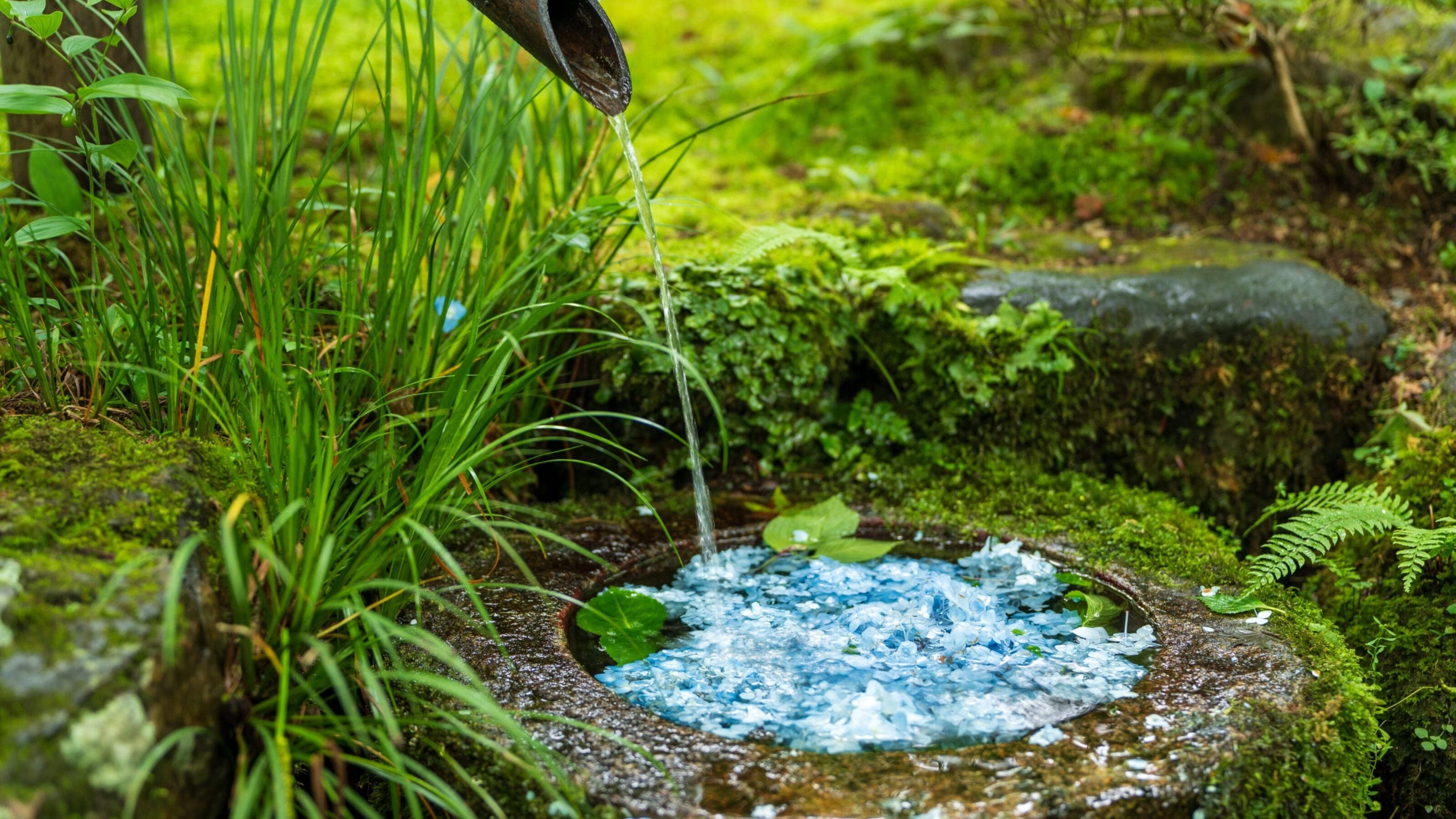


Begin in the capital of Tokyo, where scenic parks allow for moments of pause between the city lights. Then explore the temples and shrines of Nikko, unravelling their ancient history and quiet rituals. In Fukui, traditional arts and crafts have been perfected over the centuries, while Kyoto's gardens offer stillness. The historic temples and natural onsens of Kyushu invite you to breathe deeply, slow down and let the landscape settle around you.
Highlights
- Hike through the stunning scenery of Okunikko
- Watch potters make traditional Echizen ware
- Feel the pulse of spirituality in Kunisaki Peninsula's temples
- Ground yourself with a guided Zen meditation session
- Sink into hot springs at an onsen in Beppu
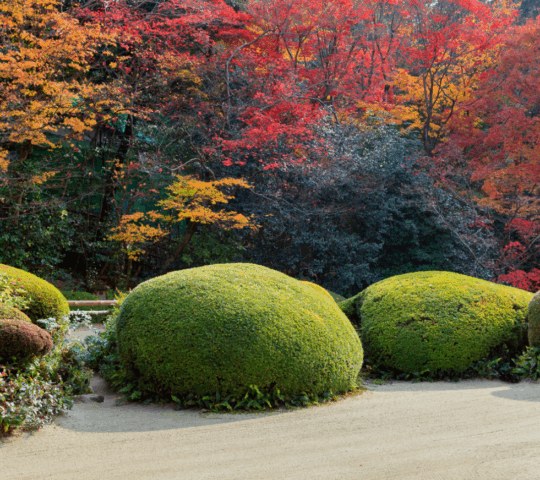
- Feel the world fade away in traditional temple gardens



Bespoke trips with Jacada
We design one-of-a-kind journeys incorporating luxury in all its forms. Our bespoke trips include:
- Luxury accommodation throughout
- Privately guided tours
- Private transfers
- Meticulously selected experiences
- Expertise and support from your Jacada Concierge

Days 1–2
Explore Tokyo's nature
Japan‘s capital of Tokyo hides a surprising amount of green spaces, with no fewer than four national parks. Not to be missed is Ogasawara National Park, a UNESCO World Heritage Site which invites you to a tropical world away from Tokyo’s skyscrapers. The beautiful Imperial Palace East Gardens are one of our favourite places to pause and connect with nature: relax by the Ninomaru Pond, where colourful koi fish dart beneath the surface, and let the gardens’ tranquillity settle over you.


Days 2–4
Visit Nikko's spiritual sites
This small city in Japan’s Tochigi Prefecture is the perfect setting to ground yourself. Wander through temples and shrines cloaked by emerald forests. Hike through Okunikko, the mountainous region of Nikko that’s part of Nikko National Park, to embrace nature’s melodies: rushing waterfalls and the gentle flow of rivers. Then reset in one of Nikko’s many onsens, where your mind and soul are soothed by the mineral-rich waters.


The spiritual essence of Nikko
Shrines
Buddhist History
A Grounding Hike

Nikko Toshogu and Futarasan shrines
Visit the Nikko Toshogu shrine, the mausoleum of Tokugawa Ieyasu, who was the founder of the Tokugawa shogunate. You’ll be able to marvel at the wooden carvings and golf leaf adorning the shrine complex.
You’ll then visit the Futarasan Shrine, which was dedicated to the Shinto gods of Nikko’s three most sacred mountains. The shrine was founded in 782 by Shodo Shonin, the Buddhist monk who played a significant role in introducing Buddhism to Nikko. Take the chance to slow down and relax in the lush gardens, accompanied by the quiet burble of the spring.

Nikkosan Chuzenji Temple
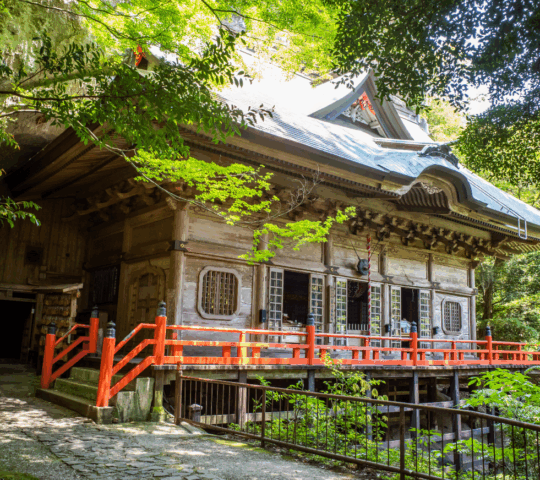
Visit Nikkosan Chuzenji Temple, a branch temple of Nikkosan Rinnoji Temple which was founded in 784 by Shodo, the first head priest of Nikko. The wooden statue for which it’s named represents Kannon, the thousand-armed goddess of mercy. It is said to have been carved by Shodo himself.
Learn the history of Chuzenji as you explore the temple’s different halls. In the Godaido hall you’ll see statues of the five wisdom kings, who guard the teachings of Buddhism. Look out over Chuzenji Lake and the surrounding mountains to admire the calming scenery.

A shugendo experience
Encounter shugendo, an ascetic religious tradition that draws on Taoist, Buddhist and Shinto beliefs. First purify yourself with incense, before hiking to three secluded waterfalls of the Kirifuri highlands. Try the centuries-old takigyo practice of standing beneath a cascade of thundering water to purify the body and mind, and come away refreshed by the spiritual energy of the mountain.
Fire ceremony at Chuzenji temple

During your time at Chuzenji temple, you can engage in writing meditation. Copy an image of the Kannon bodhisattva or a wellness sutra related to the deity of compassion. Then, witness the burning of holy cedar sticks in a dynamic fire ceremony. The rhythmic chanting of monks and crackling flames will transport you to an otherworldly place of
tradition and mysticism.
Days 4–6
Uncover traditions in Fukui
Embedded in Japan’s scenic Hokuriku region and brushing against the Sea of Japan, Fukui sits quietly between the cultural centres of Kyoto and Kanazawa. Fukui brims with a rich heritage of traditional craftsmanship that’s been preserved and passed down through the centuries. During your time here you’ll be able to enjoy the slower pace of life.
We recommend exploring the art and crafts scene. Learn the process of lacquer painting in a private workshop, delve into the history of eye-glass making or see Echizen Washi paper made by hand – and machine – at a factory.


Disconnect in Fukui's temples

Rise early to visit Eiheiji Temple for morning service. This large temple complex and active monastery stands on a cedar covered slope in the mountains just outside Fukui City. As the head temple of Zen Buddhism, Eiheiji offers refreshing insight into a more understated side of Japan. During this experience it is just you and the monks, allowing you to truly immerse yourself in the moment.
Then explore Kippouji Temple, the place where Dogen Zenji (Zen Master Dogen) trained after he moved from Kyoto to Echizen in 1243. A guided Zen meditation session before a private tour led by the temple’s Monk will refresh your senses.
Days 6–9
Connect with local cultures in Kyoto
Kyoto is where ancient and contemporary Japan intertwine. The city is known for its abundance of grand palaces, traditional machiya townhouses and ornate shrines. You’ll also find traditional ryokan inns featuring centuries-old craftsmanship jostling for position with skyscrapers.
Kyoto is known as the City of Ten Thousand Shrines and some of its unmissable sights include the magnificent wooden Kiyomizu-dera, the Golden and Silver Pavilion Temples and Ryoan-ji with its celebrated rock garden.


Make it mine
Culture
Temple
Art

A traditional tea ceremony
Experience a tea ceremony, one of Japan’s most famous traditional cultural practices. Learn the art of making tea and feel the deep appreciation held for tea utensils and Zen Buddhism.
You will then visit the Ohara area to explore the rural Sanzenin Temple, which was founded by the revered monk Saicho who introduced Tendai Buddhism to Japan in 804. A series of connected temple buildings lead you to the Shuhekien Garden (a traditional Japanese garden). Let the world fade away as you pause to admire the thoughtful placement of its stone pagoda, still pond and garden art.

The beauty of Shisendo Temple
Visit Shisendo Temple, which was built in 1641 as a mountain hermitage. The name Shisendo means ‘Hall of Immortal Poets’, and the temple is home to 36 portraits of ancient Chinese poets. Head to the study and lookout to the Tang-style garden’s sea of maple trees and fragrant satsuki azaleas. Then take the time to settle into the temple’s elegance and allow your senses to quietly awaken, stirred by the rhythmic sounds of the shishi odoshi (bamboo water fountain).

A classic Kintsugi experience
Try your hand at kintsugi. Meaning ‘golden joinery’ in Japanese, kintsugi is the process of repairing broken pottery with gold lacquer or resin.
The kintsugi philosophy is about being non-judgemental and compassionate towards yourself and others. Learn about kintsugi and urushi (a natural lacquer obtained from the urushi tree that has been used for centuries) from a master artist, deepening your connection and understanding of Japan’s time-honoured traditions.
A day with pottery artists in Shiga

Enjoy a day in Shiga discovering the culture of pottery. Here Shigaraki ware (called Shigaraki yaki in Japanese) is crafted with clays such as kibushi, mizuchi, or gairome. There are also Shigaraki ware Japanese raccoon dog (tanuki) statues which have become so popular that they are synonymous with Shigaraki ware. In 1976 Shigaraki ware was designated as a National Traditional Craft.
You will visit several ateliers to learn from the artisans about this ancient tradition and watch how they expertly craft it in front of you. If you wish, we can also arrange a pottery making experience.
Days 9–11
Step back in time in Kyushu
Kyushu is Japan’s third largest island, located southwest of the main island Honshu. Sprawling across the northeastern coast lies the Oita Prefecture. With its spiritual heritage and soothing hot springs, Oita makes the perfect destination to slow down and experience Japan’s natural beauty.
Along the way we recommend visiting Hita city, to see the old merchant houses of Mameda, and the village of Onta. Located in the northernmost part of Hita City, Onta Pottery Village has been creating pottery since 1705. The village is home to 10 kilns, where families continue to pass down their craft through the generations.


A day in the Kunisaki Peninsula
Nature Trekking
Temples

A hike along Kunisaki Peninsula Long Trail
Meet your private nature guide for a day of trekking at Kunisaki Peninsula Long Trail. After the influence of Buddhism into the Shinto religion, a combination of rituals and practices were combined and one of these ancient practices is shugendo.
Your guide will reveal how the practice centres around rigorous training by mountain ascetic hermits to gain spiritual enlightenment. This is an intimate experience that allows you to deepen your connection with Japan’s traditions and history, and reflect on the wisdom of the area’s ancestors.

Monjusen-ji and Futago-ji
Explore Monjusen-ji Temple, which is believed to be founded in 648 by the Father of Shugendo. There are two Nio statues (Agyo and Ungyo) that stand at the bottom of the stairs leading up to the main hall of Monjusenji. Known as a place for seeking wisdom, it is likely you’ll see someone praying for academic success on your visit.
Then visit Futago-ji Temple, a temple rich with history and tradition on the hillside of Mount Futago. Reflect on how monks would trek through the peninsula’s mountains in prayer and meditation as you walk up the temple’s stairs to its halls, passing by the imposing Nio statues that ward off evil spirits.
Days 11–12
A brief return to Tokyo
Enjoy an overnight stay at Aman Tokyo. Melding modernity and tradition, Tokyo’s neon lights give way to neighbourhoods brimming with tiny shrines, temples, artisan shops and cosy eateries. The backstreets of Tokyo are where you can find the heart and soul of this great city.

Restorative journeys
Travel can be restorative in many different ways. Take a route where you’ll find a deeper connection to the places you visit. The greatest luxury is the rare and beautiful feeling of being fully, unapologetically, there.
- Take time to pause and reset
- Seek meaningful connection
- Gain a deep understanding of your environment
- Learn about traditions and culture